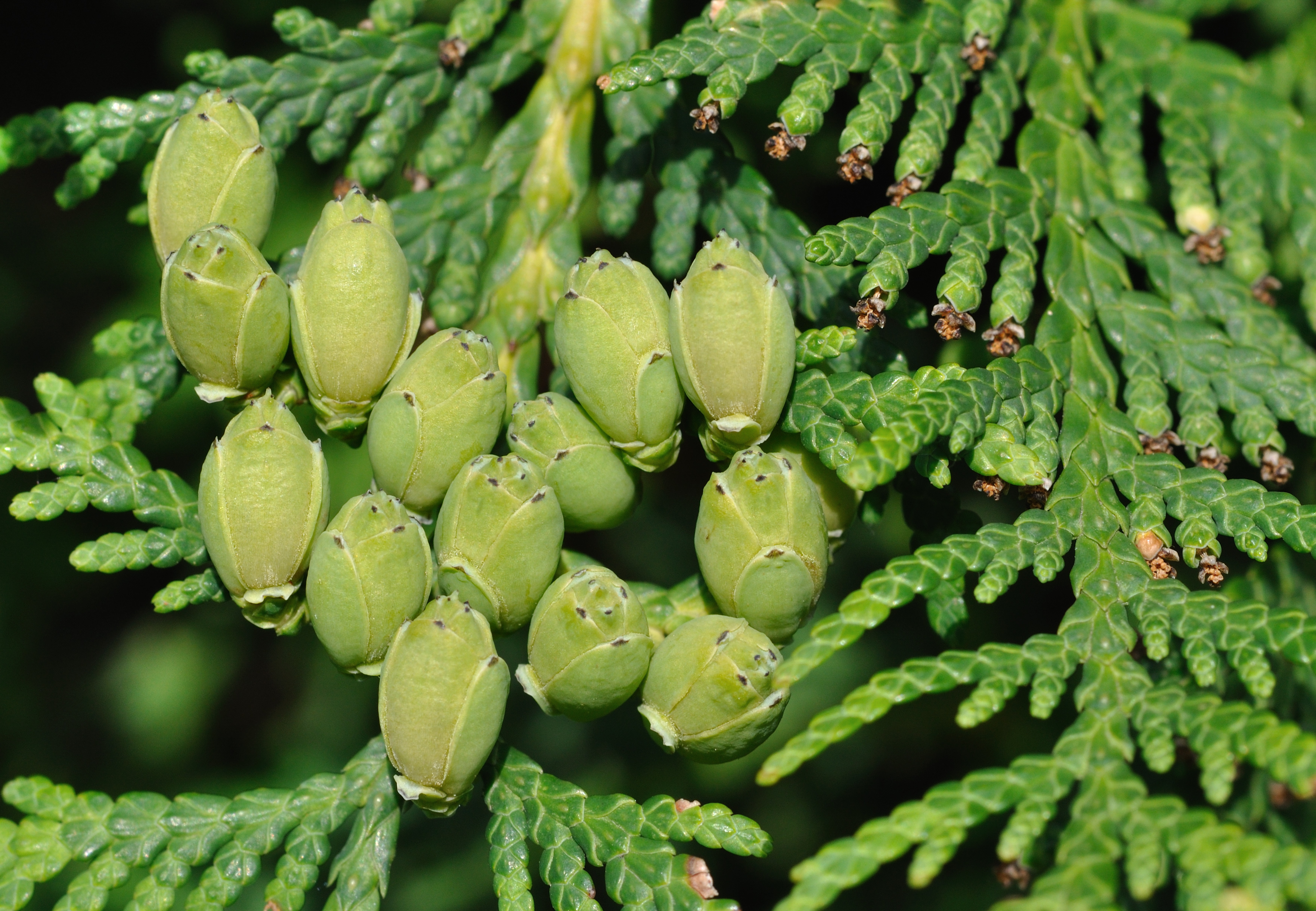
Eastern White Cedar — Canada

Cedar in outdoor structures and fencing

Practical notes on rot resistance, grain orientation, and finishing choices for decks, pergolas, and garden enclosures built with Thuja occidentalis in Canadian climates.

Eastern white cedar trees in Algonquin Provincial Park, Ontario

Reference material on cedar construction

Three topics covering the wood's natural durability, how grain direction affects structural decisions, and what finishes hold up through Canadian winters.

Cedar wood shake siding on a building exterior
Durability

Rot Resistance of Eastern White Cedar

Why Thuja occidentalis heartwood resists fungal decay longer than most softwoods, and what that means for ground-contact applications in Ontario and Quebec.

Read article →
Eastern white cedar Thuja occidentalis branch and foliage detail
Woodworking

Grain Orientation in Outdoor Structures

How heartwood versus sapwood placement, flat-sawn versus quartersawn boards, and growth-ring direction all affect how cedar lumber moves across seasons.

Read article →
Outdoor wooden deck with seating area
Finishing

Finishing Cedar Decks and Pergolas in Canada

Penetrating oils, semi-transparent stains, and clear sealers compared across freeze-thaw cycles in Canadian hardiness zones 4 through 7.

Read article →
Wooden fence constructed with vertical boards
Fencing

Cedar as a fencing material across Canadian climate zones

Eastern white cedar has been the dominant fencing wood in Ontario and Quebec for practical reasons rooted in its biology. The heartwood contains thujaplicins — natural oil compounds that slow moisture uptake and inhibit the fungal activity responsible for most wood decay at or below grade.

  • Heartwood density typically 320–370 kg/m³ (air-dried)
  • Naturally low resin content makes painting and staining straightforward
  • Post-in-ground service life commonly cited at 15–25 years in eastern Canada
  • Widely available in eastern provinces as rough-sawn lumber
Rot resistance notes →
Garden pergola structure with climbing plants
Pergolas and Decks

Finishing and maintenance considerations for exposed structures

Unfinished cedar weathers to a silver-grey within one to two seasons outdoors. Whether to apply a finish — and which type — depends on whether appearance consistency matters more than minimizing maintenance intervals. Both approaches are defensible depending on the situation.

  • Penetrating oil finishes require reapplication roughly every two years in zone 5
  • Semi-transparent stains retain more pigment through UV exposure than clear coatings
  • New cedar should be allowed to dry for 30–60 days before any finish is applied
  • Horizontal surfaces (decking) degrade faster than vertical ones (siding, fencing)
Finishing details →

Get in touch

This field is required.

About this site

Cedar and Home covers practical aspects of working with eastern white cedar in outdoor construction. Content is drawn from publicly available forestry, building science, and wood preservation references.

Questions about specific topics, corrections to published content, or editorial inquiries can be sent using the form.

Region Ontario, Canada
Updated May 2026